Tag: English History
-
Reactions to Suicide in Medieval Europe

People who lived in medieval Europe were, by and large, part of a Christian population. Whilst the strength of religious beliefs, and the Church’s control over individuals’ lives, did vary from person to person and region to region, generally people were aware of and wary of Church laws. As the medieval period progressed, the Church…
-
The Anarchy: England’s Medieval Civil War

The English Civil War occurred in the seventeenth century, and was fought between supporters of the King and those who wanted him punished. However, centuries before this, in the twelfth century, another civil war waged across the country between two competing claimants to the throne. This period, known as The Anarchy, lasted for nearly twenty…
-
Ancient Wonders: Stonehenge
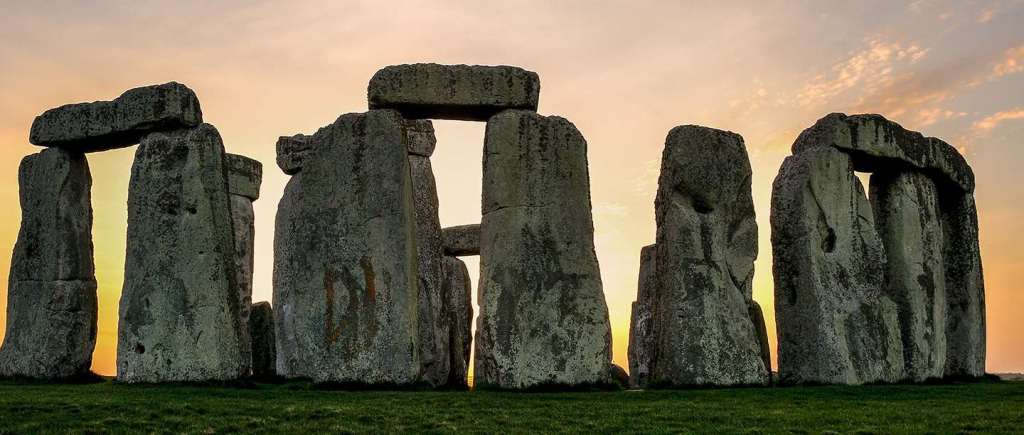
For English people, as monuments go, Stonehenge is one of the most famous. Some people don’t necessarily get the big deal about it – I mean, it is just a bunch of rocks after all – but for others this ancient monument evokes great passion. Not only is it still a place of worship, but…
-
What happened after 1066? The Harrying of the North

I can almost guarantee that if you asked any English person who can only remember one thing from history at school, it is the date 1066. It is drilled into us: 1066, the turning point in English history, when William the Conqueror came over from Normandy, beat others to the throne of England, and ended…
-
Feeble or Fierce? Colonial Women of North America
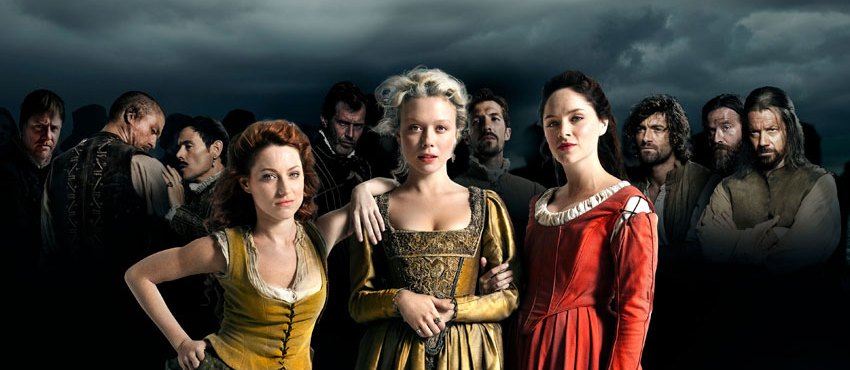
You may or may not be aware of the recent article in The Guardian reviewing the new historical television drama, Jamestown. This article has garnered a lot of criticism in the historical world, and for good reason. If you don’t want to read the article, then the main summary points are this: Now, after I…
-
Mythical Creatures: Medieval Elves
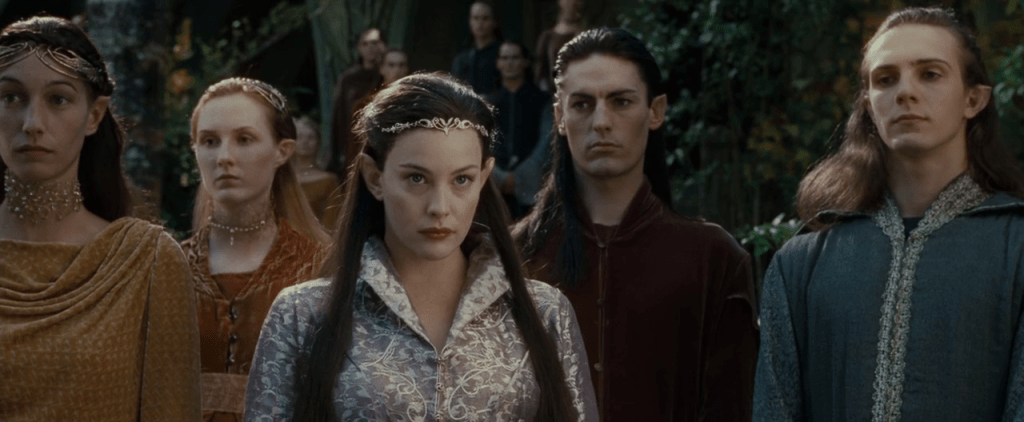
It is a fairly common belief that the legend of elves was created by JRR Tolkien amongst other now popular mythical creatures that he created. However, Tolkien simply popularised the creatures, and legends of elves have existed for centuries as a distinct legend from fairies (although the two legends often get conflated). The English word…
-
Royal People: Queen Joan of Navarre’s Confinement as a Witch
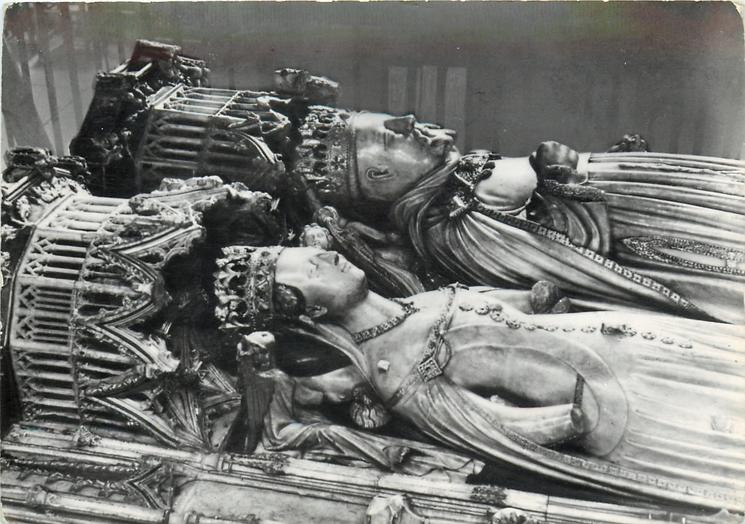
As my blog has been up and running for just over 6 months now, I thought I would return to the topic of my Masters dissertation: fifteenth-century English royal witches. My first post here was about Eleanor Cobham, the aunt-by-marriage of Henry VI who in 1441 was scandalously tried for using witchcraft, with her accomplices…
-
Magic and Robots: Medieval Automatons
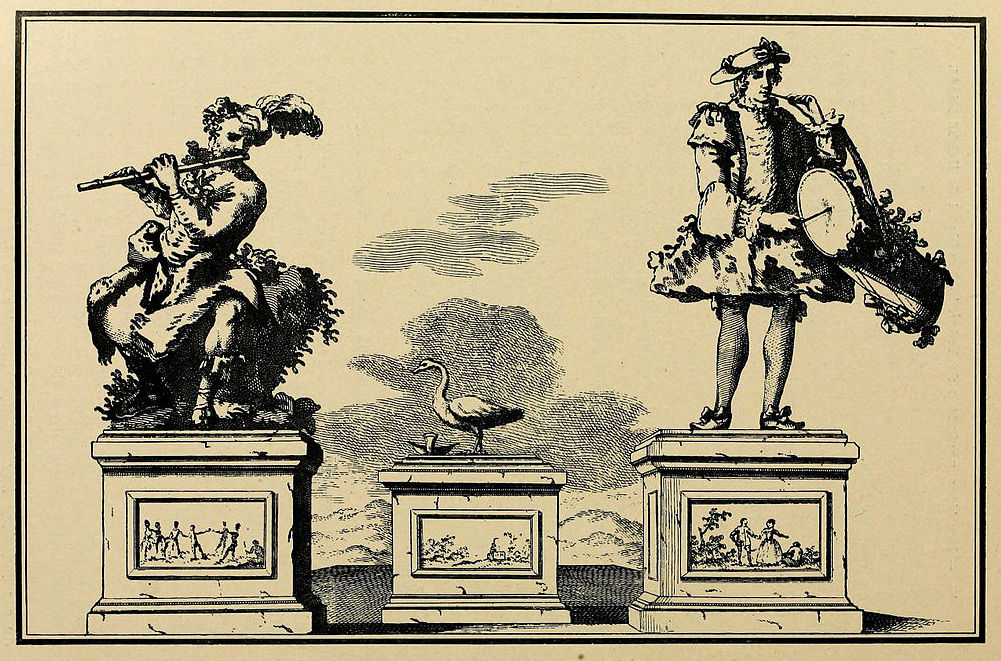
When people think of the medieval or early modern period, often it conjures images of the witch trials across the western world. These people are considered a superstitious bunch, deeply religious, and very suspicious of magic. Whilst there is of course substance to some of these ideas (and I have already discussed one case of…
-
The Biggest Party Ever? The Field of the Cloth of Gold
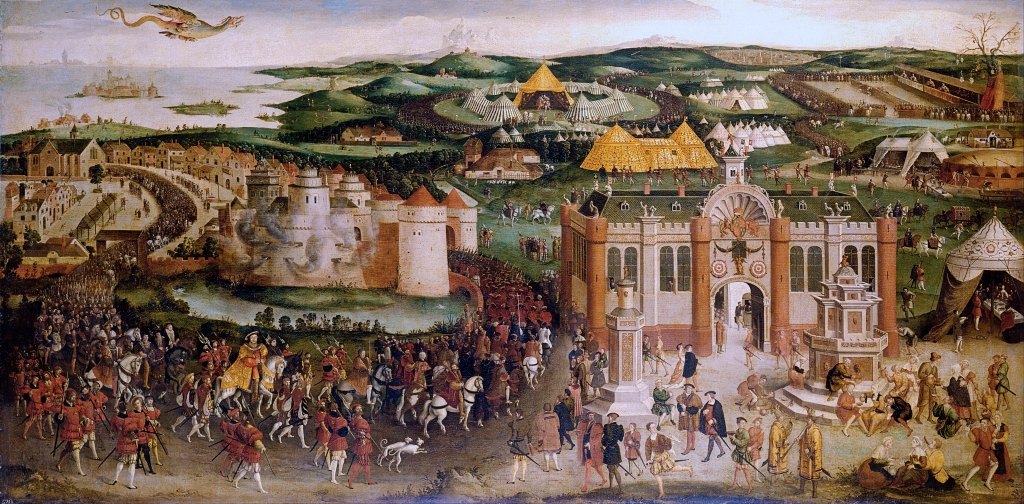
In 1509, Henry VIII – one of England’s most famous monarchs – ascended the throne, ensuring the Tudor succession after his father, Henry VII, won the throne from Richard III at the Battle of Bosworth. After almost a decade of rule, the young King agreed to follow the advice of his close advisor, Cardinal Wolsey,…
-
Mythical Creatures: Medieval Mermaids
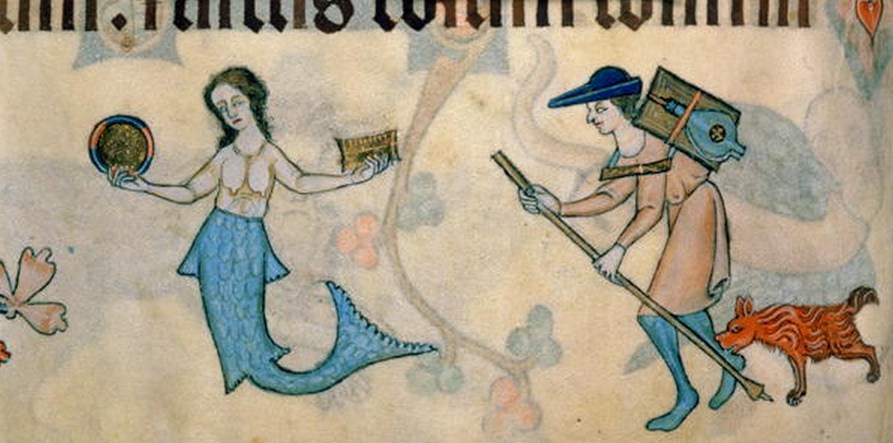
Mermaids are creatures that appear time and again throughout history and across cultures. Typically a mermaid is portrayed as having the top half of a woman, and the bottom half of a fish, though this sometimes varies slightly. The first known stories of mermaids come from Assyria around 1000BC; the goddess Atargatis, who was the…
 Just History Posts