Tag: history
-
Royal People: Jacqueline of Hainault, pawn or political player?

I recently received a request for some Dutch history, and I am always happy to oblige. In all honesty, I know fairly little about Dutch history on its own, with most of what I do know being how the country was used by the French, English, and Spanish for their own gains. One person who…
-
Ancient Wonders: The Colosseum

As this blog post has been delayed because I took a trip to Rome, I thought it only fair I return to writing with a Rome-themed post, and as the Colosseum is so emblematic of Rome and the Roman Empire, I thought it fitting. The Colosseum fits my theme of “Ancient Wonders” as although it…
-
Feeble or Fierce? Colonial Women of North America
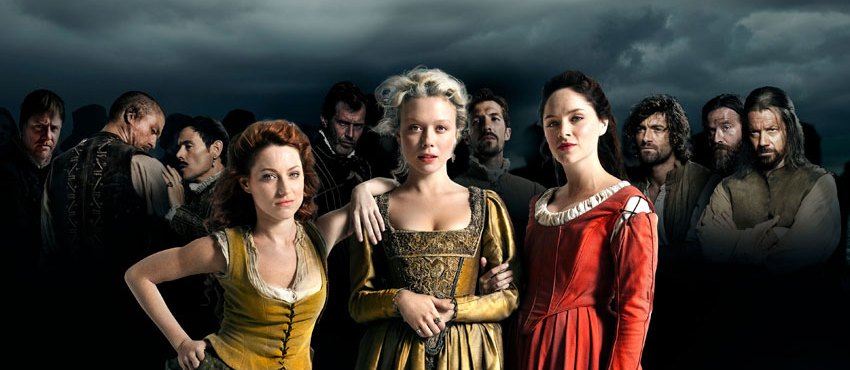
You may or may not be aware of the recent article in The Guardian reviewing the new historical television drama, Jamestown. This article has garnered a lot of criticism in the historical world, and for good reason. If you don’t want to read the article, then the main summary points are this: Now, after I…
-
Vikings and America: The People who beat Columbus

If you asked the average person on the street who “discovered” America (we’ll put aside the racist and Eurocentric issues this raises for another time) most people would probably tell you it was Christopher Columbus. In 1492, Columbus undertook his first voyage Westwards, under the theory that he would reach Asia – contrary to popular…
-
Mythical Creatures: Medieval Elves
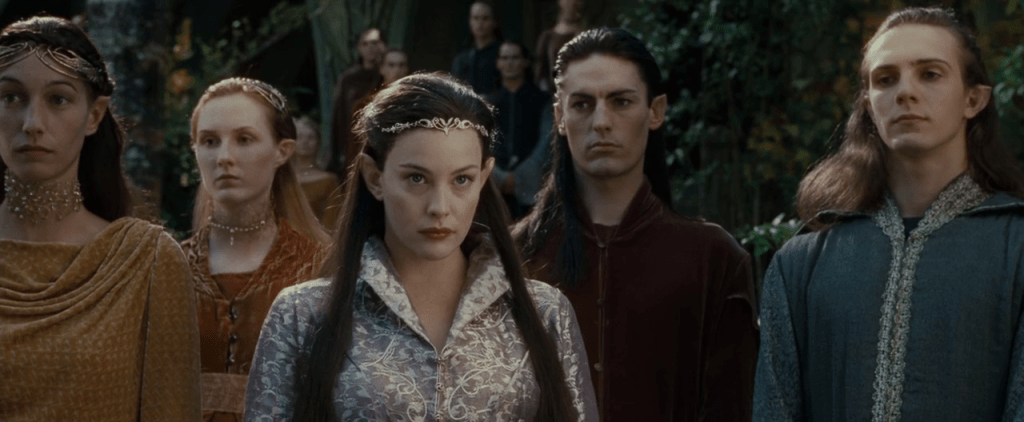
It is a fairly common belief that the legend of elves was created by JRR Tolkien amongst other now popular mythical creatures that he created. However, Tolkien simply popularised the creatures, and legends of elves have existed for centuries as a distinct legend from fairies (although the two legends often get conflated). The English word…
-
Royal People: Queen Joan of Navarre’s Confinement as a Witch
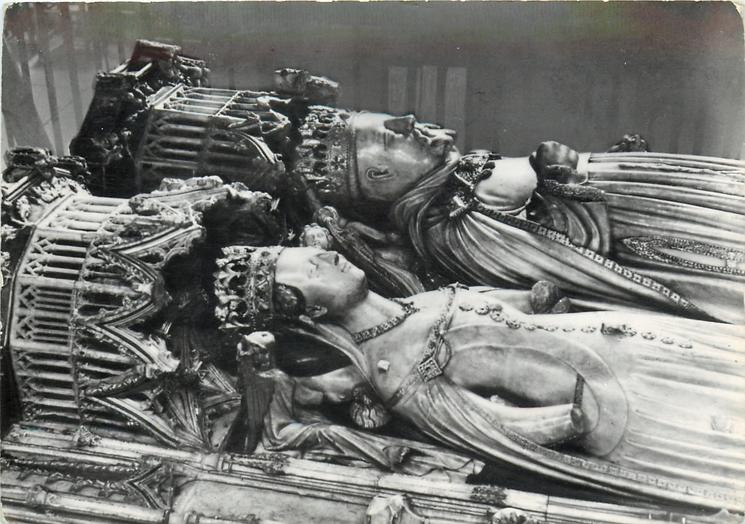
As my blog has been up and running for just over 6 months now, I thought I would return to the topic of my Masters dissertation: fifteenth-century English royal witches. My first post here was about Eleanor Cobham, the aunt-by-marriage of Henry VI who in 1441 was scandalously tried for using witchcraft, with her accomplices…
-
Honour Amongst Thieves? Early Modern Pirate Honour Code
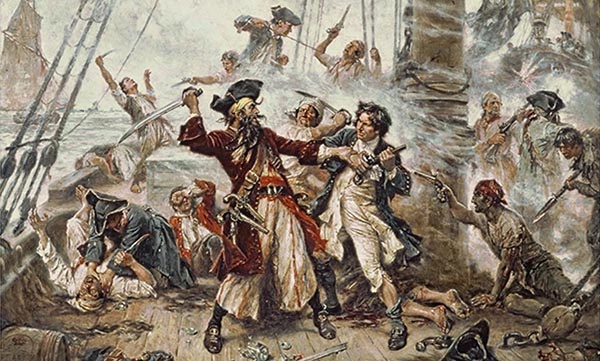
“There is no honour amongst thieves” is one of those English sayings that no one really knows where it comes from, but that everybody can rehearse. The concept is that thieves (and “baddies” in general) are awful human beings, and if they can steal from/murder/cheat you, then there is nothing stopping them from doing it…
-
Ancient Wonders: The Hanging Gardens of Babylon

We tend to have a juxtaposed view of the ancient past: that people were simultaneously less advanced than us, with archaic views on women, people of different races, and little technology, but also great forefathers in maths, science, democracy, and capable of creating wondrous feats of engineering that even today we’re not quite sure how…
-
Magic and Robots: Medieval Automatons
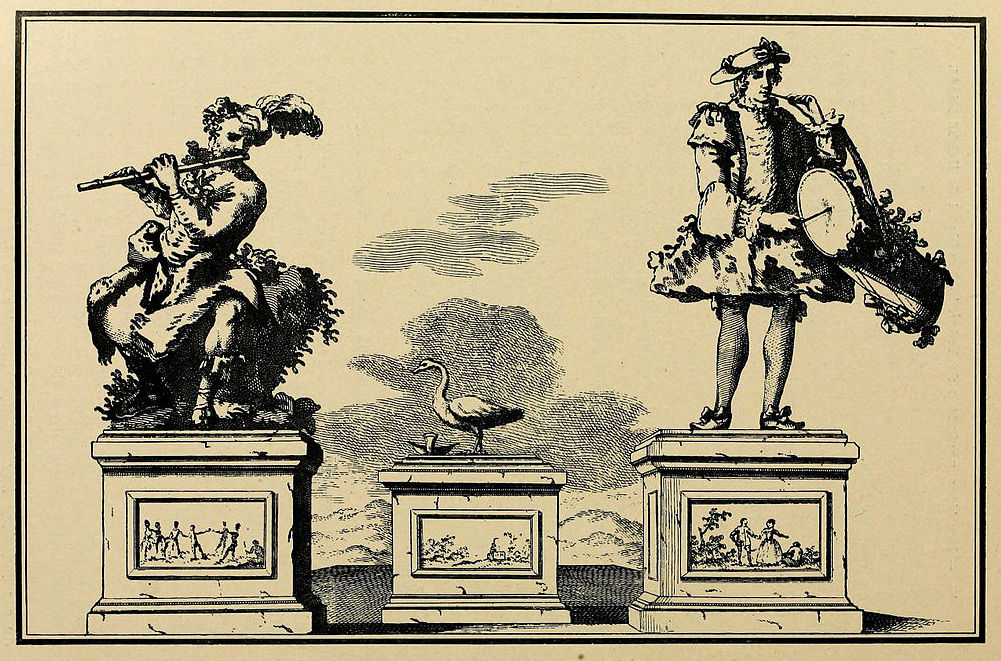
When people think of the medieval or early modern period, often it conjures images of the witch trials across the western world. These people are considered a superstitious bunch, deeply religious, and very suspicious of magic. Whilst there is of course substance to some of these ideas (and I have already discussed one case of…
-
The Biggest Party Ever? The Field of the Cloth of Gold
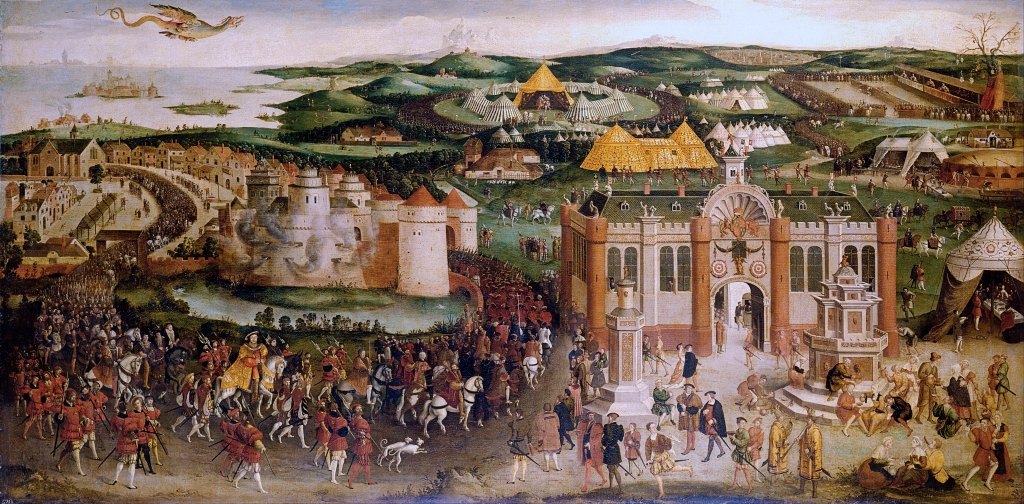
In 1509, Henry VIII – one of England’s most famous monarchs – ascended the throne, ensuring the Tudor succession after his father, Henry VII, won the throne from Richard III at the Battle of Bosworth. After almost a decade of rule, the young King agreed to follow the advice of his close advisor, Cardinal Wolsey,…
 Just History Posts