Tag: history
-
Ancient Wonders: The Great Wall of China
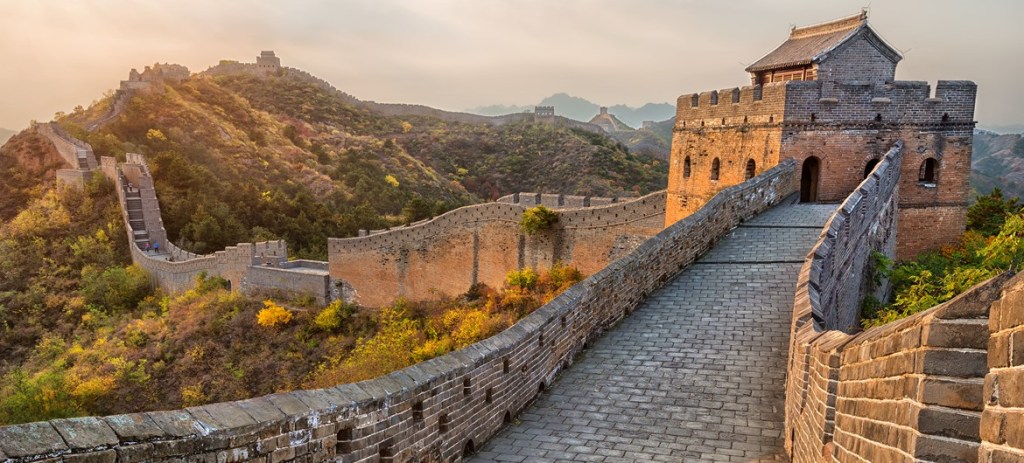
Three years ago, I visited Beijing and by far the best thing I did there was visit the Great Wall of China. The scale of the Wall and the amount of time it has lasted, as well as the huge number of visitors it attracts every year are all reasons that I decided this should…
-
Reactions to Suicide in Medieval Europe

People who lived in medieval Europe were, by and large, part of a Christian population. Whilst the strength of religious beliefs, and the Church’s control over individuals’ lives, did vary from person to person and region to region, generally people were aware of and wary of Church laws. As the medieval period progressed, the Church…
-
The Anarchy: England’s Medieval Civil War

The English Civil War occurred in the seventeenth century, and was fought between supporters of the King and those who wanted him punished. However, centuries before this, in the twelfth century, another civil war waged across the country between two competing claimants to the throne. This period, known as The Anarchy, lasted for nearly twenty…
-
Ancient Wonders: Stonehenge
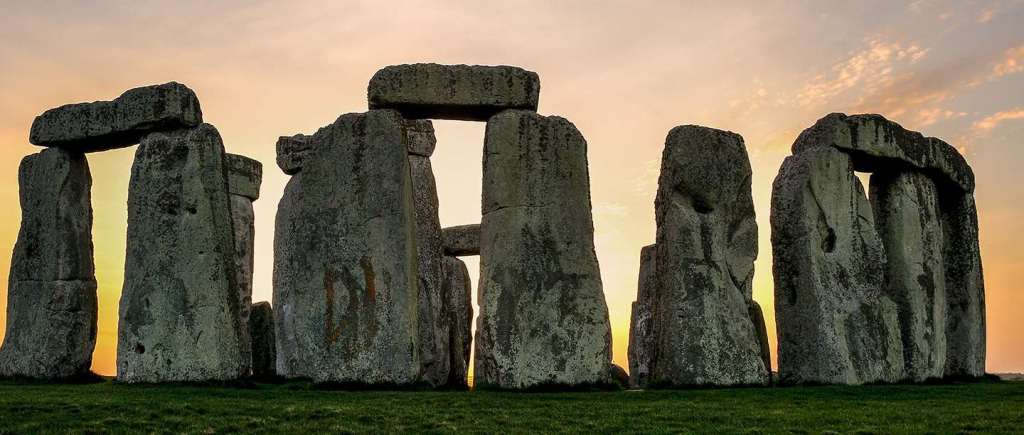
For English people, as monuments go, Stonehenge is one of the most famous. Some people don’t necessarily get the big deal about it – I mean, it is just a bunch of rocks after all – but for others this ancient monument evokes great passion. Not only is it still a place of worship, but…
-
The Book of Kells, a Medieval Masterpiece
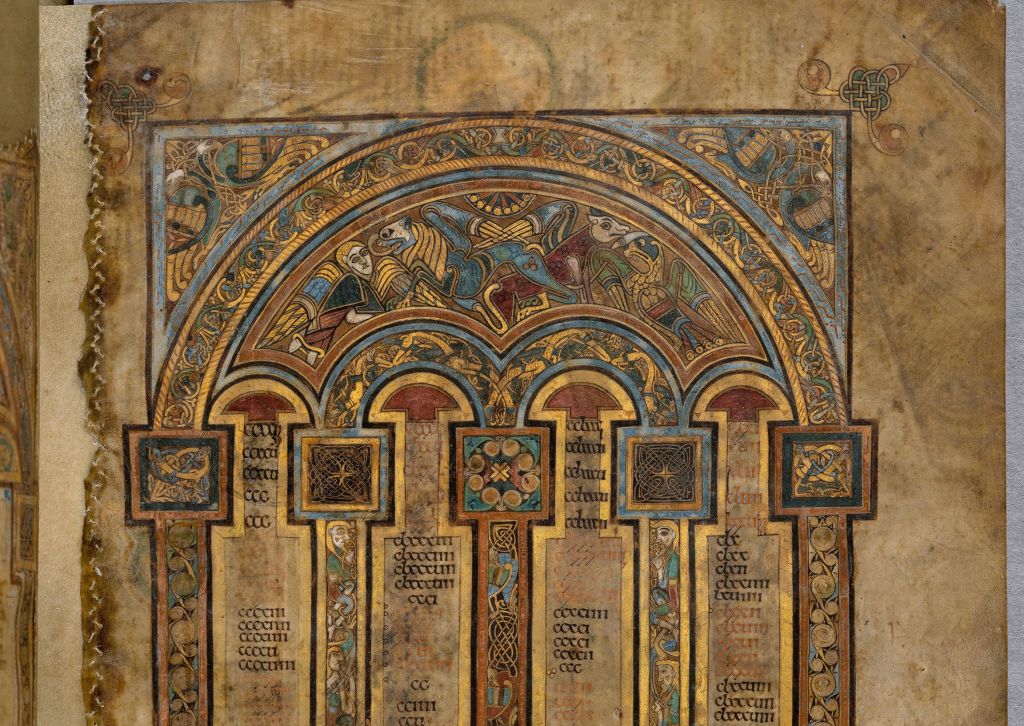
Today I am off on another holiday, this time to Dublin, and so I thought I needed to do something Dublin themed. I decided to write about the Book of Kells, which I am looking forwards to seeing on my visit. Due to time limitations (I am leaving in a few hours!) and because the…
-
What happened after 1066? The Harrying of the North

I can almost guarantee that if you asked any English person who can only remember one thing from history at school, it is the date 1066. It is drilled into us: 1066, the turning point in English history, when William the Conqueror came over from Normandy, beat others to the throne of England, and ended…
-
Royal People: Jacqueline of Hainault, pawn or political player?

I recently received a request for some Dutch history, and I am always happy to oblige. In all honesty, I know fairly little about Dutch history on its own, with most of what I do know being how the country was used by the French, English, and Spanish for their own gains. One person who…
-
Ancient Wonders: The Colosseum

As this blog post has been delayed because I took a trip to Rome, I thought it only fair I return to writing with a Rome-themed post, and as the Colosseum is so emblematic of Rome and the Roman Empire, I thought it fitting. The Colosseum fits my theme of “Ancient Wonders” as although it…
-
Feeble or Fierce? Colonial Women of North America
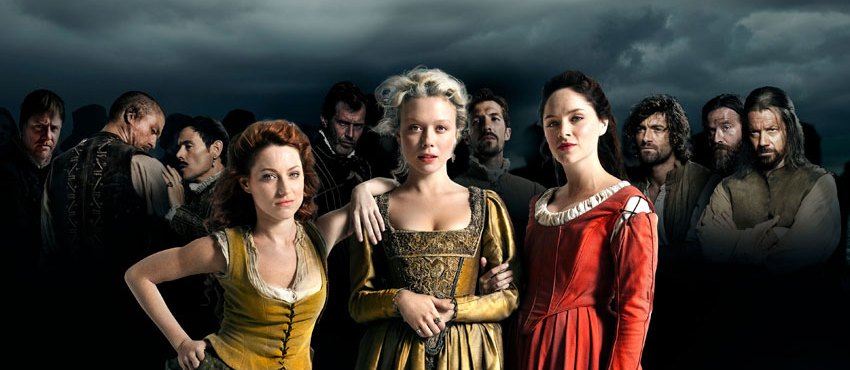
You may or may not be aware of the recent article in The Guardian reviewing the new historical television drama, Jamestown. This article has garnered a lot of criticism in the historical world, and for good reason. If you don’t want to read the article, then the main summary points are this: The women portrayed…
-
Vikings and America: The People who beat Columbus

If you asked the average person on the street who “discovered” America (we’ll put aside the racist and Eurocentric issues this raises for another time) most people would probably tell you it was Christopher Columbus. In 1492, Columbus undertook his first voyage Westwards, under the theory that he would reach Asia – contrary to popular…

